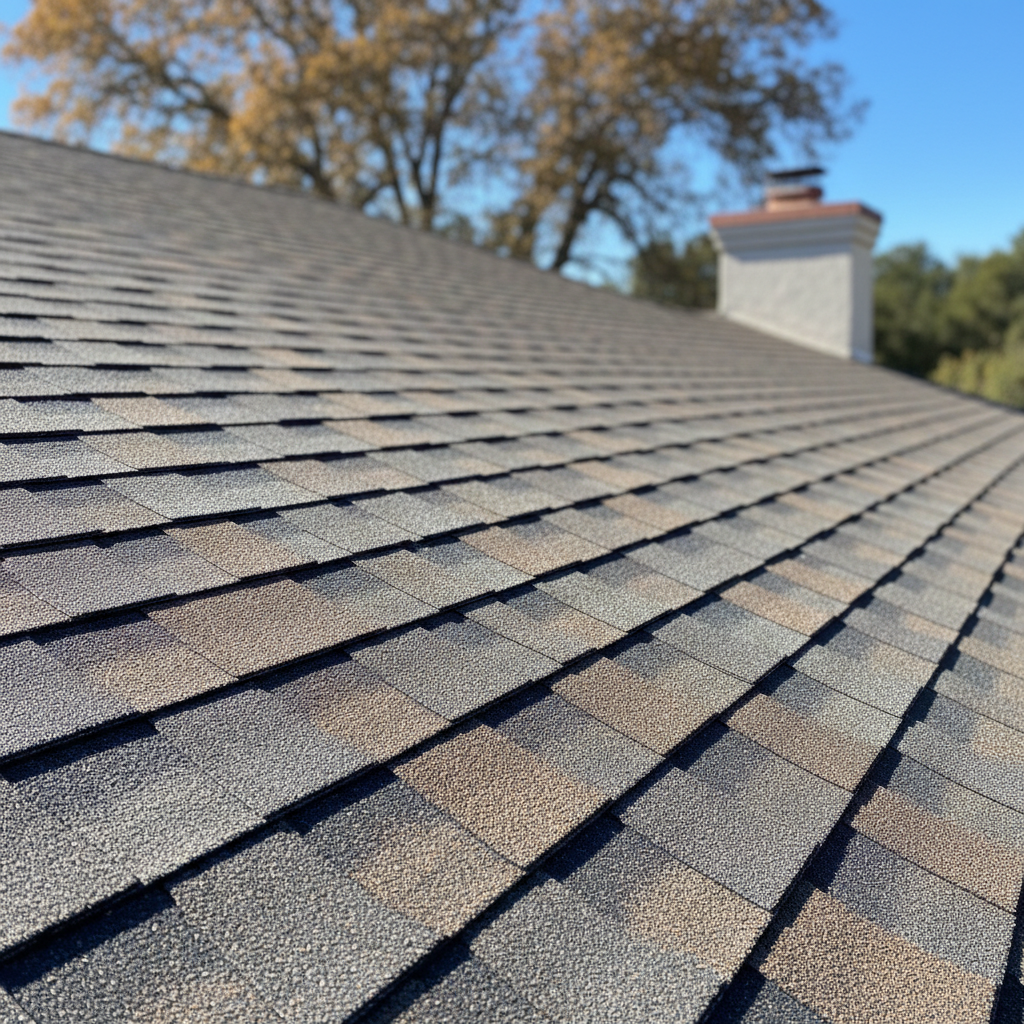
Alright, let's talk asphalt shingles. You see them everywhere around Rancho Cordova, especially in older spots like Sunriver or Anatolia. And because they're so common, people always have a ton of questions about them. I get it. Your roof is a big deal, right? You want to know what you're getting into. So, I've put together answers to the questions I hear most often when I'm out on a job.
How long should my asphalt shingle roof last here in Rancho Cordova?
That's always the first thing folks ask, isn't it? Look, there's no single magic number, but generally, you're looking at somewhere between 15 to 30 years for a standard architectural asphalt shingle roof. Three-tab shingles, which you don't see installed much anymore, were usually on the shorter end, maybe 15-20 years. Architectural shingles, built a bit thicker, can easily hit 25-30 years — sometimes even more if they're kept up and installed well.
Now, our Rancho Cordova weather definitely plays a part. We get those scorching summers, often hitting triple digits, which really bakes the shingles. Then we have our wet, sometimes windy winters. All that constant expanding and contracting, plus the UV rays, really takes a toll. Good attic ventilation is super important for getting the most life out of your roof here; otherwise, that heat just cooks the underside of your shingles.
What are the signs I need a new asphalt shingle roof, not just a repair?
This is where my years of experience really come in handy. You'll spot a few clear signs. For one, if you're finding a lot of granules in your gutters, that's a big red flag. Those tiny bits protect the shingle from UV rays, and once they're gone, the shingle's pretty much done for. Another sign is curling or buckling shingles. They might curl up at the edges or buckle right in the middle. That means they're losing their strength, usually because of heat or moisture.
Cracked shingles are pretty obvious. If you see multiple cracked shingles, especially spread out across different parts of the roof, it points to widespread deterioration. Missing shingles, particularly after a windy storm, can sometimes be fixed, but if it's happening a lot, your roof is probably at the end of its life. Also, if your roof just looks old and worn out, maybe with dark streaks (that's algae) or a generally faded color, it's time to get it checked. Don't wait for a leak to be your first warning, okay?
Can I just add new shingles over my old ones?
You *can*, but I almost never recommend it, and for good reason. It's called 're-roofing' or 'overlaying.' The main 'pro' is that it's cheaper upfront because you save on the labor to tear off the old ones and the disposal costs. But the 'cons' usually outweigh that. You're adding a lot of extra weight to your roof structure, which might not be built for it. You're also covering up potential problems like rotten decking or inadequate flashing that you won't even see until it's too late. Plus, the new shingles won't lay as flat, which can mess with their wind resistance and overall lifespan.
When I'm doing a job, like at Peak Roofing Solutions, we always suggest a full tear-off. It lets us inspect the decking, replace any damaged wood, and make sure we get a clean, proper installation. You end up with a better, longer-lasting roof, and you won't have to worry about hidden issues popping up down the road.
How important is attic ventilation for an asphalt shingle roof?
Extremely important, especially in our climate. I really can't stress this enough. Good attic ventilation does two main things. First, in the summer, it helps push hot air out of your attic. This keeps your attic cooler, which in turn keeps your home cooler (saving you on AC bills) and stops that heat from baking your shingles from underneath. Shingles that get too hot from both above and below will wear out much faster.
Second, in the winter, it helps stop moisture from building up. Warm, moist air from your home can rise into the attic, and if it can't get out, it condenses. That leads to mold, mildew, and even wood rot. A well-ventilated attic has a steady flow of air, usually from soffit vents to ridge vents, keeping temperatures and moisture levels balanced. It adds years to your roof's life and protects your home's structure. Pretty neat, huh?
What kind of maintenance does an asphalt shingle roof need?
It's not a 'set it and forget it' kind of deal, but it's not super high maintenance either. The biggest thing is regular inspections. I suggest at least once a year, usually in the spring or fall. Look for those signs we talked about: missing granules, curling, cracks, or missing shingles. After any big storm, it's a good idea to take a look too.
Keep your gutters clean! Clogged gutters can cause water to back up under your shingles, leading to rot and leaks. Trim back any tree branches that hang over your roof. They can rub against shingles, drop debris that holds moisture, and give critters easy access. If you see moss or algae, you can treat it, but be careful with harsh chemicals or pressure washing, as they can damage the shingles. A gentle cleaning or installing a zinc strip can help.
Are there different grades of asphalt shingles? What's the difference?
Absolutely, there are. The most common types you'll run into are 3-tab, architectural (sometimes called laminate), and designer (or luxury) shingles.
- 3-Tab Shingles: These are the most basic and least expensive. They're flat, single-layer shingles with cutouts that make them look like three separate tabs. They have the shortest lifespan and don't stand up to wind as well. You just don't see them installed much anymore on new roofs.
- Architectural Shingles: This is what most homeowners pick these days. They're thicker, multi-layered, and give your roof a more dimensional, textured look — often mimicking wood shakes or slate. They're tougher, handle wind better, and come with longer warranties (25-30 years is typical). They strike a great balance between cost and performance.
- Designer Shingles: These are the premium choice. They're even thicker and heavier than architectural shingles and are made to look incredibly like natural slate or cedar shakes. They offer the best performance, wind resistance, and the longest warranties, often 40-50 years, but they do come with a higher price tag.
Each type has its place, but for most Rancho Cordova homes, architectural shingles hit the sweet spot, offering durability and good looks without totally breaking the bank.