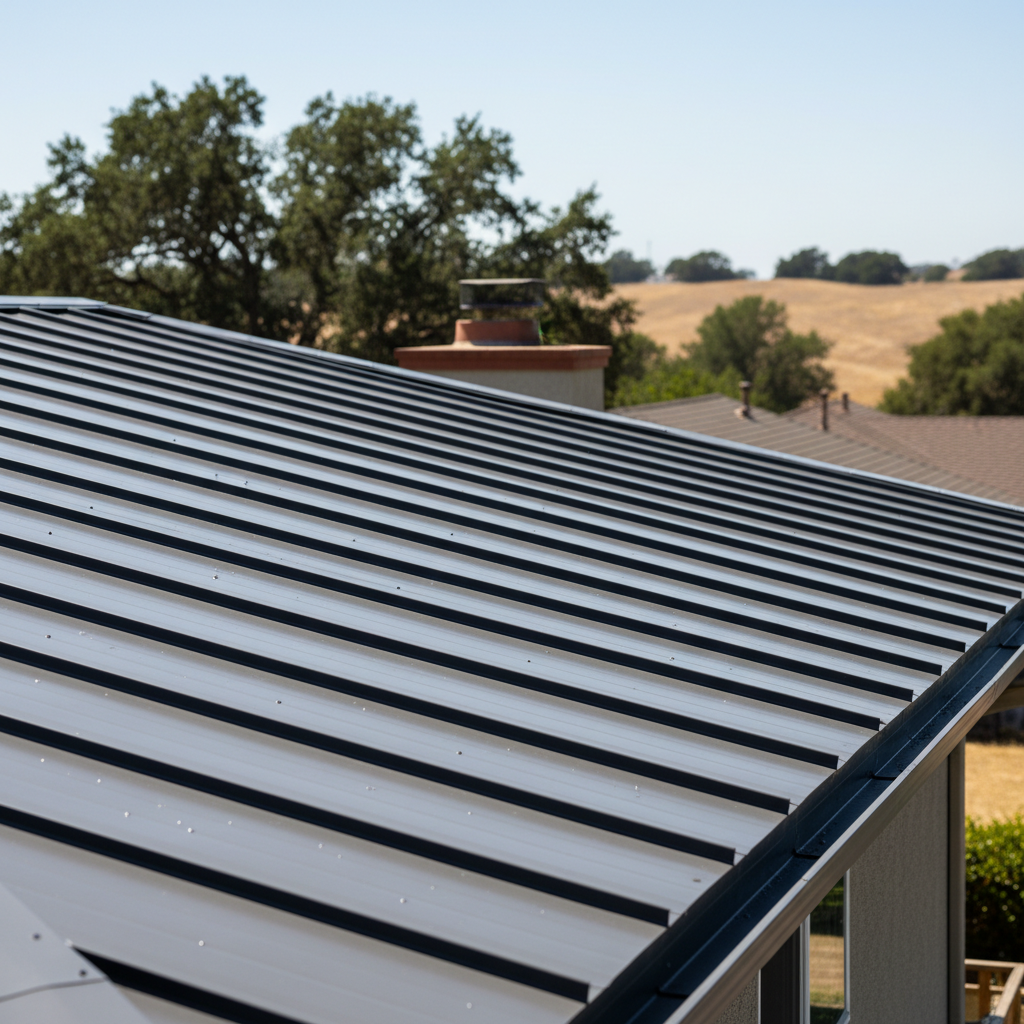
Is a metal roof really worth the extra cost up front?
This is probably the most common question I get asked, and it's a good one. Yes, metal roofs generally cost more initially than, say, asphalt shingles. You're looking at a higher price tag per square foot for the materials, and often for installation too, because it's a more specialized job. But here's the thing: that upfront cost? It's an investment, not just an expense.
Think about it like this: an asphalt shingle roof here in Rancho Cordova might last you 15-25 years, especially with our scorching summers and those occasional heavy rains. A good quality metal roof, put in right, can easily last 50 years — often even longer. We're talking about replacing two or even three asphalt roofs for the lifespan of just one metal roof. When you add up the cost of tearing off and replacing all those asphalt roofs, plus the rising material and labor costs over decades, that metal roof suddenly starts looking a whole lot cheaper in the long run. Plus, there's the energy efficiency, which can save you money on your AC bills year after year. So, yeah, it's definitely worth it if you plan to stay in your home for a while or want a major selling point when you eventually sell.
How noisy are metal roofs when it rains or hails?
This is another big worry for people, and it's often based on some outdated ideas about metal roofs. Folks picture a tin shed roof, right? That's just not what we're putting on homes today. Modern residential metal roofs are actually designed with noise reduction in mind.
First off, you've got your roof deck, usually plywood or OSB. Then there's an underlayment, which adds another layer of sound dampening. On top of that, the metal panels themselves are often installed over battens or a solid substrate, creating an air gap that further cuts down on sound. If your attic has good insulation, that's yet another barrier. What you'll typically hear during a rainstorm isn't some deafening clang, but more of a gentle patter, often even less noticeable than rain on asphalt shingles. Hail can be louder, sure, but it's not a constant thing, and a good quality panel with proper installation will handle it much better than you might expect. I've got plenty of customers in areas like Anatolia or Sunridge who tell me they hardly notice the rain at all.
Do metal roofs attract lightning?
This is a common myth, and I totally get why people worry about it. The short answer is no, a metal roof doesn't make your home any more likely to be struck by lightning than any other kind of roof.
Lightning is drawn to the highest point in an area, no matter what that point is made of. Your house is already a high point. If lightning *does* strike a metal roof, it's actually a pretty good conductor, which means it can safely spread the electrical charge over a larger area and send it to the ground, especially if your home has a proper grounding system. In some ways, it can even be safer than other materials because it's non-combustible. So, don't lose sleep over lightning strikes; your metal roof isn't a lightning magnet.
Will a metal roof make my house hotter in the summer?
Quite the opposite, actually! This is one of the big perks of metal roofing, especially here in Rancho Cordova where our summers can be brutal. Metal roofs are great at reflecting solar radiant heat, much better than asphalt shingles which tend to just soak it up.
Many metal roofing products come with "cool roof" coatings or finishes that are specifically designed to bounce sunlight and heat away from your home. This means less heat gets into your attic and, consequently, into your living space. The result? Your air conditioner doesn't have to work as hard, which means lower energy bills for you. We've seen homeowners report significant savings on their cooling costs after switching to a metal roof. It's a real benefit when you're trying to keep your home comfortable during those 100-degree days.
What about dents from hail or falling branches?
Good question. Metal is tough, but it's not indestructible. How easily it dents really depends on a few things:
- Gauge of the metal: Thicker gauge metal (a lower number) resists dents better.
- Panel profile: Standing seam panels, with their raised seams, tend to be stiffer and less likely to dent than flat panels.
- Type of metal: Steel and aluminum are generally quite durable. Copper and zinc are softer and can dent more easily.
- Coating/finish: Some finishes add a bit of extra protection.
For typical hail in our area, most residential metal roofs hold up very well. You might get a minor ding from a really severe hailstorm, but it's rare to see significant damage that messes with the roof's integrity. Falling branches are a different story, though. A heavy, sharp branch dropping from a tall tree can certainly dent or even puncture any roof, metal included. That's why keeping your trees trimmed back from your roofline is always a good idea, no matter what kind of roof you have. But overall, metal roofs are very impact resistant.
Do metal roofs rust?
Modern metal roofs are made to resist rust, especially the ones we put in at Peak Roofing Solutions. Most residential metal roofing materials, like steel, come with protective layers. Galvanized steel has a zinc coating, and Galvalume steel uses a mix of aluminum and zinc. These coatings offer excellent corrosion resistance. Aluminum roofs, by their very nature, don't rust at all.
The key is quality materials and proper installation. If a coating gets scratched deeply during installation, or if cheap, uncoated fasteners are used, you could potentially see some localized rust spots over time. But with a professional installation using high-quality, pre-finished panels, rust is generally not something you need to worry about for the lifespan of your roof. We're talking about materials that are built to withstand the elements for decades, not just a few years.
Can I walk on a metal roof?
Yes, you can, but you need to know how to do it correctly. You can't just stomp all over it like you might with a sturdy asphalt shingle roof. The way you walk on a metal roof depends on the type of panel.
For standing seam roofs, you generally want to walk on the flat pan portion of the panel, close to the ribs, or directly on the ribs themselves if they're designed for it. You definitely want to avoid stepping on the raised seams, as that can damage them. For exposed fastener panels, you'll typically walk on the purlins or supports underneath the panels, which means stepping on the flat parts of the panels where they're supported. Always wear soft-soled shoes to avoid scratching the finish. If you're unsure, it's always best to call a professional like us at Peak Roofing Solutions. We're trained to get around on these roofs safely without causing damage.
What kind of warranty can I expect on a metal roof?
Warranties for metal roofs are usually pretty solid, and they often come in two parts: a material warranty and a labor warranty.
Material warranties from manufacturers are typically long-term, often 30-50 years, and sometimes even lifetime. These cover defects in the panel itself, like premature fading, chipping, or rust. They're usually prorated, meaning the coverage might decrease over time. Then there's the labor warranty, which comes from the installer, like us. Our labor warranties cover the quality of the installation and make sure that if there are any issues because of our workmanship, we'll fix them. These usually run from 5 to 25 years, depending on the contractor and the system. When you're getting quotes, always ask for details on both the material and labor warranties so you know exactly what's covered. It's a big investment, after all.