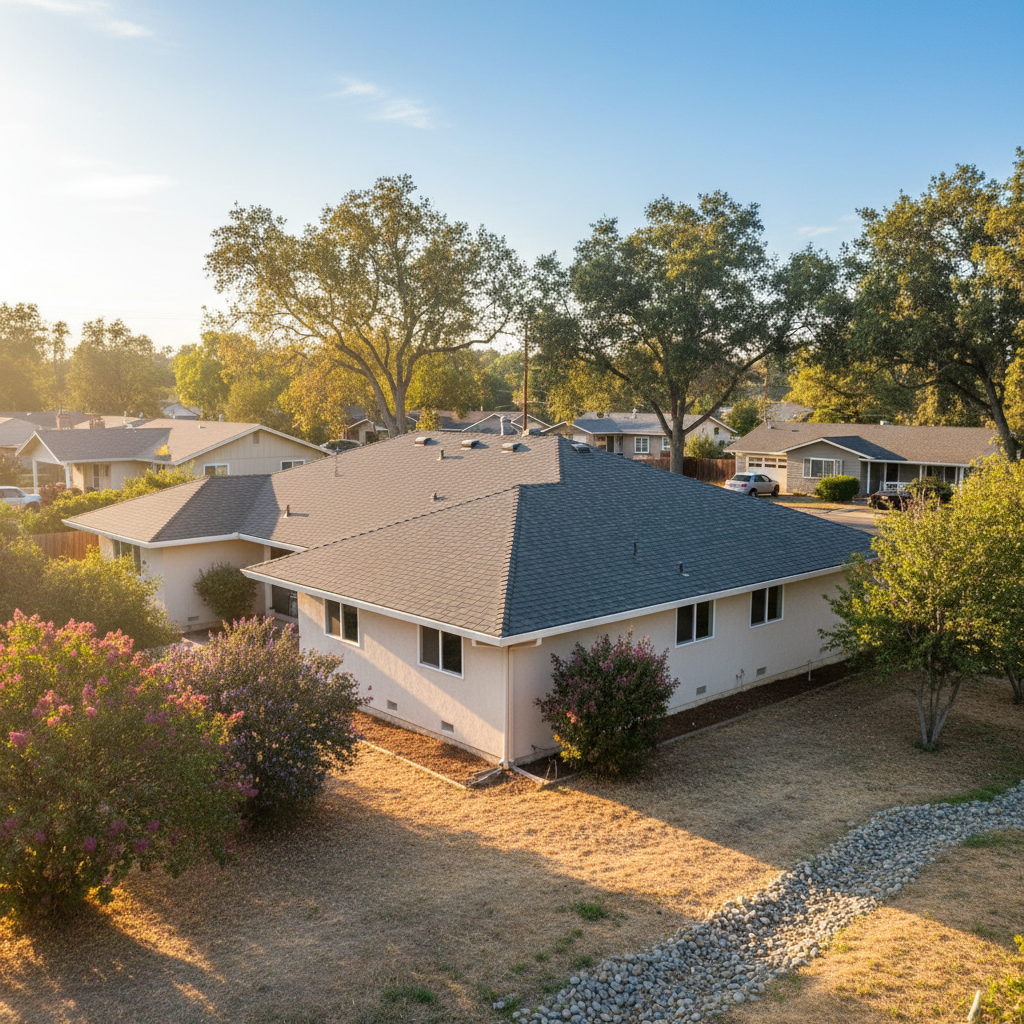
When's the best time to get a new roof here in Rancho Cordova? That's a question I get asked a lot, and it's a good one. It's not just about when you're ready; our local climate plays a huge role in how smoothly and effectively your roof installation goes.
Understanding Rancho Cordova's Climate and Your Roof
We've got pretty distinct seasons here, right? Hot, dry summers and cooler, wetter winters. That pattern directly impacts roofing work. You might think summer's always best because it's dry, but it's not quite that simple. Excessive heat can be as much of a challenge as rain.
Think about those scorching August days when it hits 105 degrees. Working on a roof in that kind of heat isn't just tough on the crew; it can affect the materials themselves. Asphalt shingles, for instance, get really pliable when they're super hot. That can make them tricky to handle, and it might even impact how they seal properly if they're not laid just right. Plus, the adhesive strips on new shingles need a certain temperature range to activate and bond effectively. Too hot, and they might seal too quickly or unevenly; too cold, and they won't seal at all.
The Ideal Windows for Roof Installation
From what I've seen over the years, the sweet spot for roof installation in Rancho Cordova usually falls into two main windows:
Spring (March to May): This is often ideal. The temperatures are mild, we usually get a break from heavy rains, and the air isn't thick with summer humidity yet. Shingles have time to settle and seal properly before the intense summer heat kicks in. It's a busy time for us, so if you're thinking spring, you'll want to schedule well in advance.
Fall (September to November): Another great option. The summer heat has backed off, and while we might see some early rains, the consistent downpours usually haven't started. Again, the moderate temperatures are perfect for handling materials and ensuring a proper seal. It's a race against the winter rains, but generally a good window.
What about summer and winter? We do install roofs year-round, of course, but we have to be more strategic.
Summer (June to August): We can definitely install roofs in summer, but we often start earlier in the day to beat the worst of the heat. We also pay extra close attention to how we handle and store materials to prevent damage from extreme temperatures. It's all about managing the heat and making sure the crew stays safe and hydrated.
Winter (December to February): This is our trickiest season. Rain is the obvious problem – you can't install a roof in the rain, plain and simple. We have to watch the forecasts closely and often schedule smaller sections of work that we can quickly cover or complete if the weather turns. Low temperatures also mean shingles won't seal as fast, so we have to account for that. If you need a roof in winter, we'll get it done, but expect more potential delays due to weather.
Protecting Your Investment Year-Round
Once your new roof is on, whether it's from Peak Roofing Solutions or someone else, you've got to protect that investment. Here's what I tell folks:
Keep an eye on your gutters: Especially after our fall leaves drop and during winter rains. Clogged gutters mean water can back up, sit on your roof, and eventually find its way under shingles. That's a headache you don't need.
Trim those trees: We've got a lot of mature trees around neighborhoods like Anatolia and Sunridge Park. Overhanging branches can scrape shingles, drop debris that clogs gutters, and even provide easy access for pests. Keep them trimmed back, ideally a few feet from your roofline.
Regular visual checks: You don't need to climb up there, but grab some binoculars once or twice a year. Look for missing or damaged shingles, especially after a big windstorm. See if there's any unusual moss or algae growth. Catching small issues early saves you big money down the road, doesn't it?
Professional inspections: I recommend a professional roof inspection every few years, or after any major weather event. We'll spot things you can't from the ground, like worn flashing, granule loss, or subtle signs of water intrusion.
Ultimately, getting your roof installed at the right time sets you up for success. And once it's done, a little proactive care goes a long way in making sure it lasts for decades.