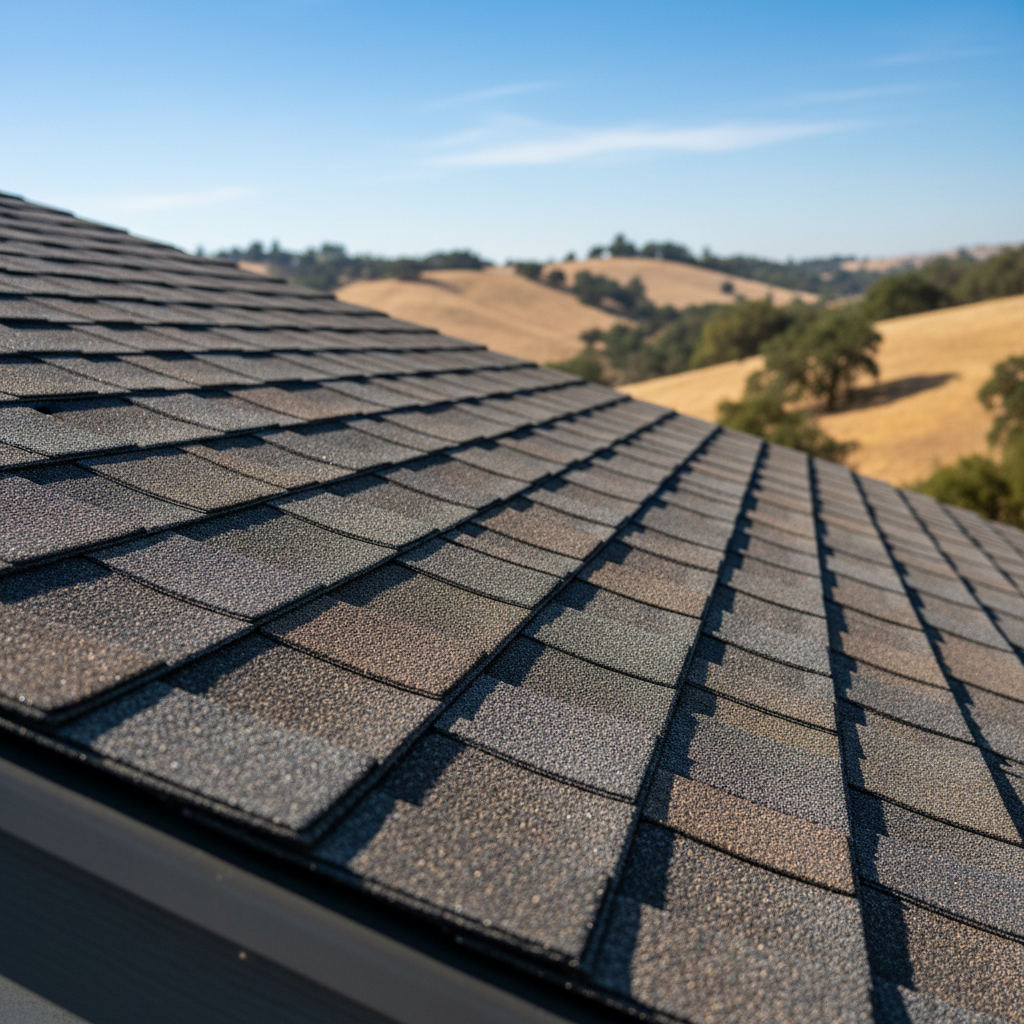
Your roof is a big deal. It’s the main shield for your whole home, especially with the kind of weather we get here in Rancho Cordova – those super hot summers followed by heavy winter rains. Just ignoring it? That’s really asking for trouble down the road. But how can you tell what’s happening up there without actually climbing onto the roof yourself? And when is it truly time to call in a pro?
I’ve been in this business a good long while, and I’ve seen homeowners try to fix things they shouldn’t. I've also watched them miss really obvious signs of trouble. This guide is all about giving you the honest truth about checking your roof. That way, you can keep your home safe and dry without all the unnecessary stress or expense.
Before You Even Think About Looking Up
Getting ready is crucial, and I'm not just talking about grabbing a ladder. First and foremost, safety comes first. If you’re not comfortable with heights, or if your roof is steep, wet, or already looks damaged, just stay on the ground. Seriously. A fall can change your life in an instant.
Here’s what you’ll want for a safe, effective check from the ground:
- Binoculars: These are your best friend for getting a close look without climbing.
- A Good Flashlight: Perfect for peeking into your attic.
- Camera or Smartphone: To quickly snap pictures of anything that looks off.
- Notebook and Pen: For jotting down what you notice.
- Sturdy Ladder: If you're only checking gutters or fascia, make sure it's solid and goes at least three feet above where you're trying to reach.
Pick the right day. You want clear, calm weather – no wind, no rain, no ice. Trying to inspect a wet roof is just asking for a slip, right? Also, think about the time of year. After a big storm, especially those heavy winter rain bands we get, is always a smart time to check. But a general look-over in the spring and fall helps catch things before they turn into major headaches.
What You Can Realistically Do Yourself (From the Ground)
You’d be surprised how much you can figure out about your roof without ever stepping foot on it. This is where those binoculars really shine. Walk all the way around your house and systematically scan every part of your roof. Here's what to keep an eye out for:
- Shingles: Are they lying flat? Look for any that are curled, cracked, or missing. Pay extra close attention to the edges and the south-facing slopes. Our intense Rancho Cordova sun can really bake those granules right off, which means faster wear.
- Granules in Gutters: See a lot of sand-like grit in your gutters or at the bottom of your downspouts? Those are shingle granules, and it means your shingles are losing their protective coating. A little bit is normal, but a lot tells you your roof is getting old.
- Sagging or Uneven Spots: Step back a bit and look at your roofline. Does any part of it look like it's dipping or uneven? That could point to structural problems with the roof decking underneath.
- Flashing: This is the metal (or other material) around chimneys, vents, skylights, and where roof sections meet walls. It's absolutely critical for stopping leaks. Check for any bent, loose, or missing flashing. Our temperature swings here can really put these transition points to the test.
- Gutters & Downspouts: Make sure they’re clear of leaves and other junk. Clogged gutters can cause water to back up under your shingles, leading to rot or leaks. Also, check for any signs of water overflowing or staining on your fascia or siding.
- Moss or Algae: Dark streaks or green growth isn't just an eyesore; it can be a sign of moisture problems.
And don't forget the inside! Grab that flashlight and head into your attic. Look for water stains on the underside of the roof decking, rafters, or insulation. Any dampness or mold is a big red flag.
When It's Time to Call Peak Roofing Solutions (The Pros)
So, you’ve done your ground-level inspection, and you've spotted something concerning. Or maybe you just want that extra peace of mind. That’s exactly when you should call us. Here’s a clear list of times when a professional inspection is absolutely necessary:
- You See Significant Damage: Things like multiple missing shingles, large cracks, obvious sagging, or visible holes.
- Water Stains Inside: Any signs of leaks in your attic or on your ceilings mean water has already gotten through your roof. We need to find the source quickly.
- Post-Storm Assessment: After a particularly nasty windstorm or heavy rain, even if you don't see obvious damage, a professional eye can catch subtle issues that might turn into leaks later. The winds that whip through areas like Anatolia and Sunriver can really lift shingles, you know?
- Your Roof is Older: If your roof is nearing or past its expected lifespan (usually 20-25 years for asphalt shingles), it's a good idea to get it checked every year.
- Before Buying or Selling: A professional inspection can give you an edge as a buyer or help you fix issues before putting your house on the market as a seller.
- You're Uncomfortable or Unsure: If you're not confident in your own assessment, or simply don't want to get on a ladder, that's what we're here for. Your safety is way more important than a DIY inspection.
We’ve got the training, the right safety gear, and the experience to spot things you might miss. Our professional inspections include a thorough look at everything from the overall structure to the smallest details of your flashing and ventilation. We'll give you a comprehensive report and honest recommendations.
After the Inspection (Yours or Ours)
Okay, so you’ve finished your inspection or had us come out. What happens next?
- Document Everything: If you did your own inspection, keep detailed notes and photos. This is super helpful if you need to show a professional later or file an insurance claim.
- Prioritize Repairs: Not every issue is an emergency, but some definitely are. A small crack in a vent boot might seem minor, but it can lead to significant water damage during our rainy season. We'll help you understand what needs immediate attention versus what can wait a bit.
- Get Quotes: If repairs are needed, get a few quotes from reputable, local roofers. Make sure they're licensed and insured.
- Regular Maintenance: Keep those gutters clean, trim overhanging branches, and stick to a regular inspection schedule. Proactive care really does extend the life of your roof and saves you money in the long run.
Don't let your roof be one of those "out-of-sight, out-of-mind" things. A little attention now can prevent a whole lot of headaches later. If you've got questions or you're ready for a professional eye, give Peak Roofing Solutions a call. We're always here to help our Rancho Cordova neighbors keep their homes in tip-top shape.